How Many Watts Does Starlink Use? Mini vs Standard (2026)
Starlink Mini uses 25–40 W on average, the Standard kit 75–100 W. Amps at 12 V, kWh per month, electricity cost and battery runtime, from the official spec sheets.
Updated October 26, 2026 · By the SatPicker team
In short
Starlink power consumption at a glance
| Setup | Watts | Amps at 12 V | kWh / month (24/7) | Cost / month at $0.17/kWh |
|---|---|---|---|---|
| Starlink Mini, light use | 25 W | 2.1 A | 18.0 | $3.06 |
| Starlink Mini, heavy use | 40 W | 3.3 A | 28.8 | $4.90 |
| Starlink Standard, light use | 75 W | 6.3 A | 54.0 | $9.18 |
| Starlink Standard, heavy use | 100 W | 8.3 A | 72.0 | $12.24 |
Watts come from the official specification sheets (Mini: 25–40 W average, input 12-48 V DC, 60 W · USB-C PD 100 W (20 V / 5 A) with the USB-C cable accessory; Standard: 75–100 W). Monthly figures assume the dish runs around the clock. The electricity rate is an example — check your own bill. Data checked October 26, 2026.
Mini vs Standard: why the gap is so big
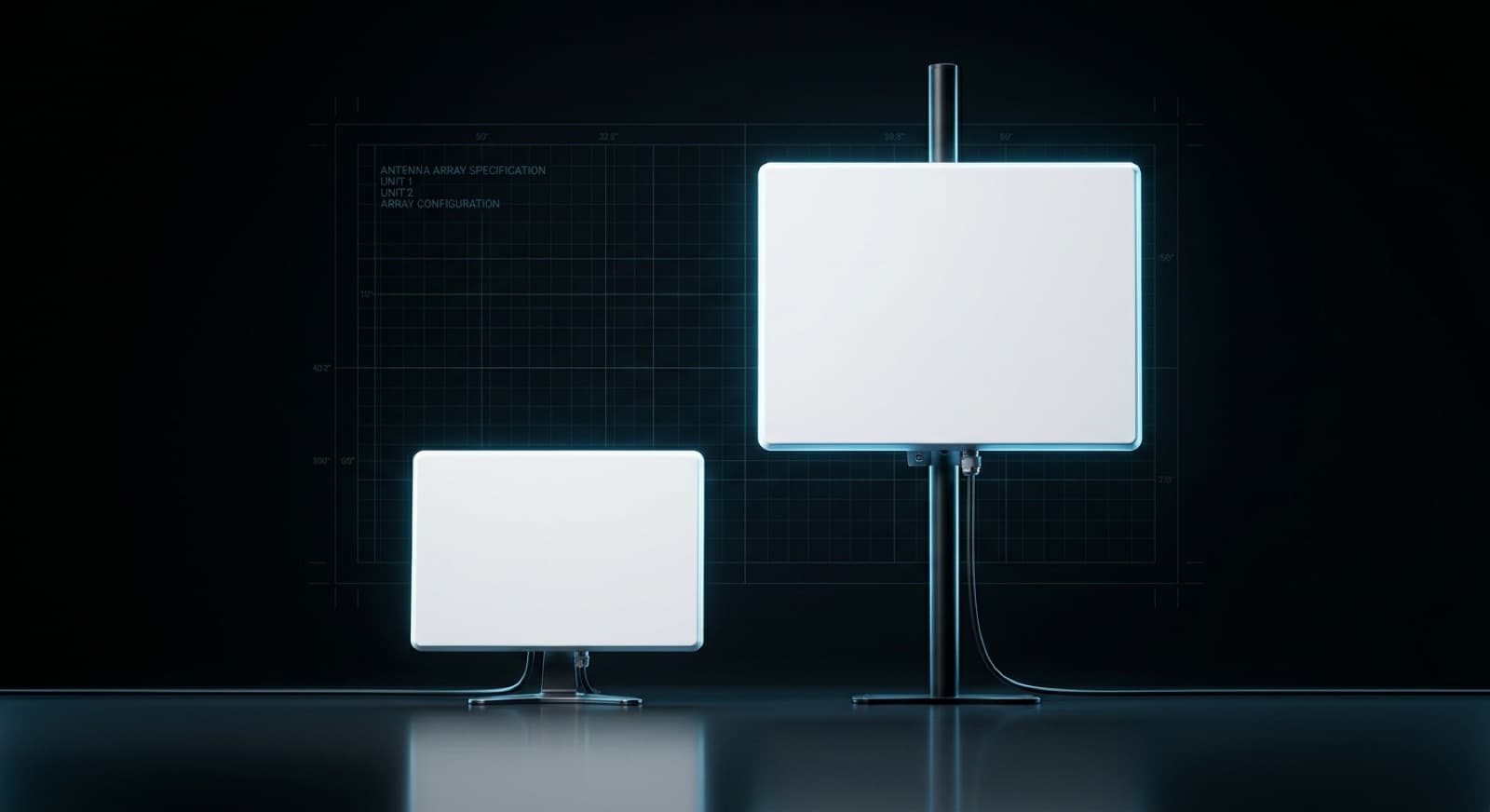
The Standard dish has a much larger antenna and runs a separate Wi-Fi 6 router from a 100–240 V power supply. The Mini packs the router inside and accepts 12–48 V DC directly, which is why it became the default for vans, boats and backpacks. On a battery, that difference is the whole story: the same 1 kWh power station runs a Mini for about 27 h 39 min over USB-C PD, and a Standard for about 8 h 40 min through the AC outlet.
What changes the real number
- Snow melt and cold. The heater kicks in below freezing and can push the draw well above average.
- Start-up. The first minutes of searching for satellites draw more than steady streaming.
- How you connect. DC (12 V or USB-C PD) delivers about 90 % of the battery's energy to the dish; an inverter about 80 %.
- What you do online. Idle sits near the bottom of the range; video calls and uploads push to the top.
Planning an off-grid setup? Run your own numbers in the battery and solar calculator, then read how to power the Mini on 12 V and how to size a power station.
Frequently asked questions
How many amps does a Starlink Mini draw at 12 V?
About 2.1–3.3 A on average at 12 V (watts ÷ volts), plus short start-up peaks. The Mini's DC input is rated 12–48 V at 60 W, so plan wiring and fuses for 5 A at 12 V.
Does Starlink use a lot of electricity?
Not much for a home: the Standard kit at 75–100 W around the clock is about 54–72 kWh a month, roughly $9.18–$12.24 at $0.17/kWh. Off-grid, it is the battery size that matters.
Why does my Starlink use more power in winter?
The dish heats itself to melt snow (up to about 1 inch per hour for the Mini). Snow melt and start-up push consumption above the average for a while, so size batteries with margin in cold weather.
Can I lower Starlink's power use?
Use a DC connection instead of an inverter (about 10–15 % more runtime), keep the dish clear of obstructions so it works less, and turn it off when you sleep if you are on battery.
Free tool
Battery & solar calculator
Enter your battery, connection and panel: get hours or days of runtime.
SatPicker is independent and not affiliated with SpaceX or Starlink. Specs come from Starlink's official specification sheets; prices are dated and can change — your Starlink checkout is the final word.